Photoeditorai

Photo editor AI: ideas for your next edit

Explore ideas here; choose an editing tool on Supavisual.

PHOTO EDITING IDEAS GUIDE · NOT AN EDITOR

Take an idea to the editor

These previews are static ideas, not an editor. Nothing you write or upload transfers from this site.

01Find an idea below
02Choose a tool on Supavisual
03Sign in with a paid plan to generate

Illustrative edit ideas

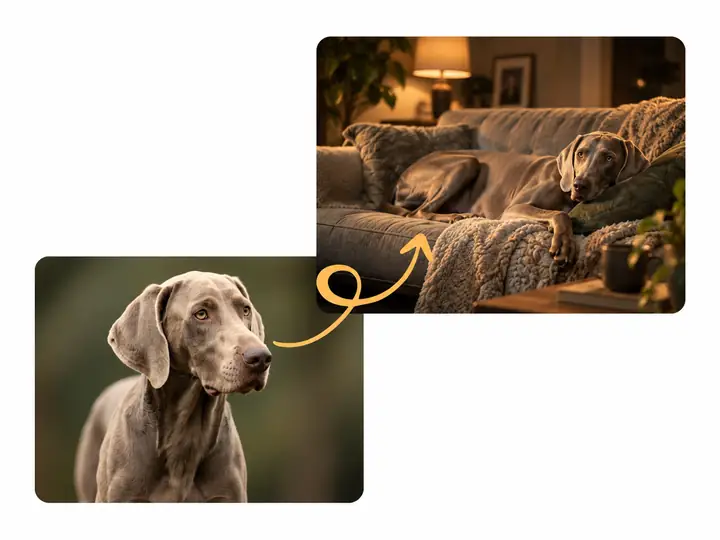
A puppy portrait with its background cleaned upReplace background
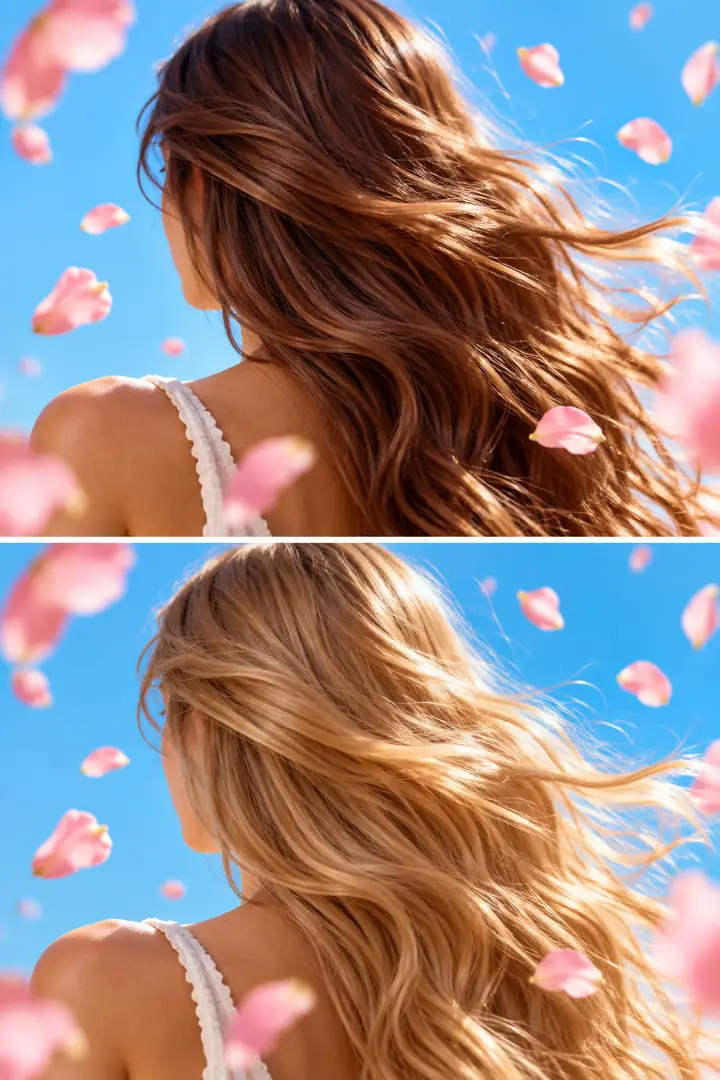
A portrait demonstrating a natural change in hair colorChange hair color
Two portraits showing unwanted background objects removedRemove objects
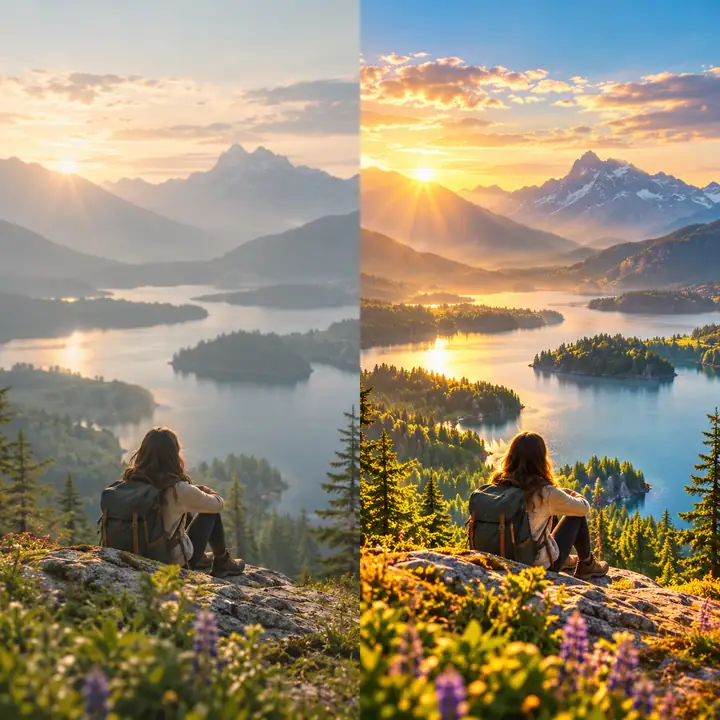
A landscape transformed with vibrant color and warm lightTransfer a style
Illustrative portrait edit idea: a change in hair color
Illustrative concept · not a result generated on this site

Keep Characters Consistent Across Edits

A recognizable character can carry a story from one image to the next. When you describe a new pose, outfit, or setting, specify the features and proportions you want to retain. That makes photo editing useful for storytelling, branding, and projects that need visual continuity. Explore new compositions while keeping the details that matter in view.

A puppy portrait and an edited scene showing the same dog resting on a sofa

Precision Editing with a Photo Editor AI

Describe the part of an image you want to adjust—an eye, the sky, a logo, or a background—and explain what should stay the same. Specific instructions help focus an edit without changing the entire scene. Review the result closely, then refine your prompt if a detail needs another pass.

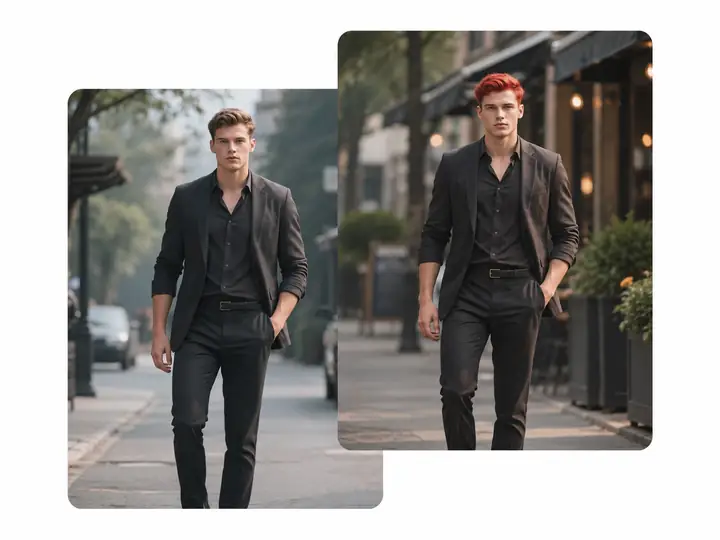
Two street portraits of the same person showing a targeted change to hair color

Blend Text into Photo Compositions

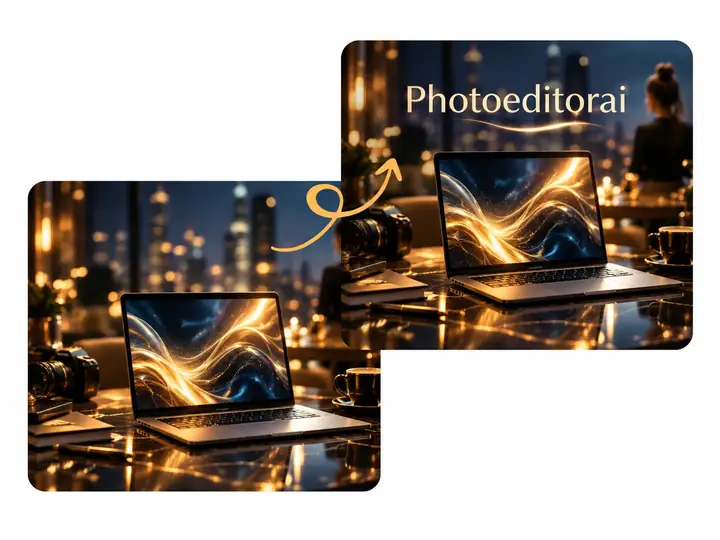
Text can be part of the picture rather than an afterthought. Describe the wording, its placement, and the mood you want for a caption, product name, or campaign visual. Consider the original lighting and perspective when reviewing an edited image so the final composition feels cohesive.

A perfume photograph before and after elegant lettering is added to the composition

Creative Style Transfer & Image Ideas

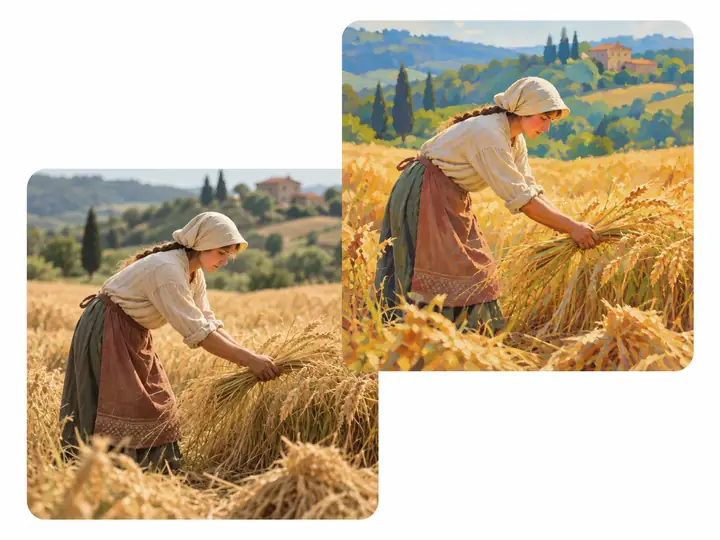
Give a familiar photo a different visual character by describing a color palette, texture, or artistic mood. A reference can help communicate the look you have in mind. Keep your prompt clear about which subjects and details belong in the finished image while you experiment with new styles.

A woman gathering grain in a field shown in natural and painterly visual styles

Background Replacement for Your Photos

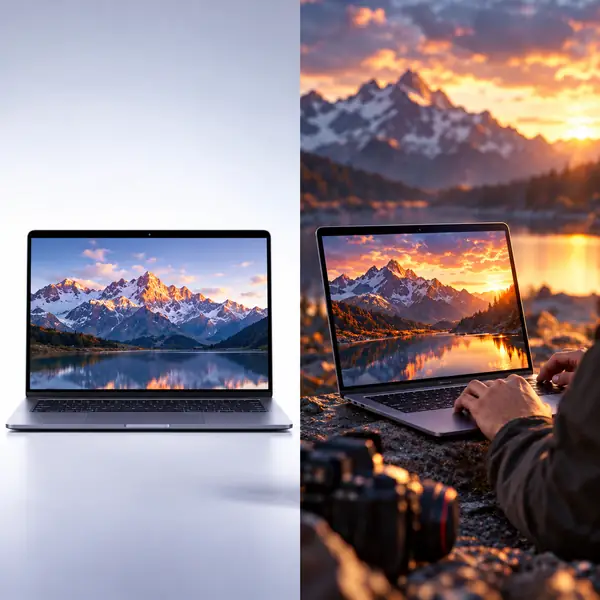
A new background can change the purpose of a photo without changing its subject. Describe a simple studio setting for a product, a cleaner backdrop for a portrait, or a more imaginative location for a social post. Note the light and camera angle in your prompt to help the new scene feel connected.

Real-World Uses for a Photo Editor AI

A bottled drink shown as a basic product shot and a styled promotional image

E-commerce & Online Stores

Product sellers often need many images that feel like one collection. Clear backgrounds, considered color, and consistent framing can make a storefront easier to browse. Start with a product photograph, describe the setting you want, and review whether its shape and identifying details remain clear. The same approach can help prepare visuals for listings, storefronts, and seasonal campaigns.
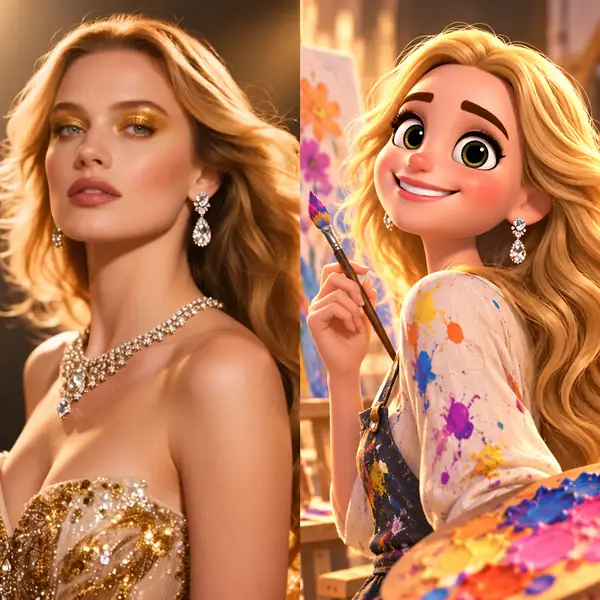
A creator portrait beside a bright illustrated interpretation of the same person

Social Media & Content Creators

Creators use different visual styles to make a post fit a channel or a particular story. A casual portrait might inspire an illustrated avatar, while a travel picture could take on a new color mood. Describe both the look you want and the features worth preserving. That gives you a useful starting point for personal posts, thumbnails, and campaign concepts.

A perfume bottle photographed against two different promotional backgrounds

Professional Marketing Visuals

Marketing teams work with product photographs, banners, and variations for different placements. An image prompt can express a creative direction: a softer background, a different atmosphere, or room for a headline. Compare each result with the original before publishing, especially when a product, package, or brand detail needs to remain exact.

A mountain valley landscape before and after a brighter color treatment

Photography & Personal Projects

Personal photographs can be a starting point for experiments as well as memories. Try describing gentler light, a cleaner scene, or a more vivid treatment for a landscape. Portraits and travel pictures benefit from prompts that identify the subject and explain what must stay unchanged. Keep the original image so you can compare and choose the version you prefer.

Why Use Our Photo Editor AI Guide

Editing Ideas in One Place

Background changes, object cleanup, portrait adjustments, and artistic treatments all begin with a clear description of the image you want. Find an approach that fits the photograph rather than applying the same edit to everything.

Clearer Prompts, Cleaner Results

Good editing instructions distinguish between what should change and what should remain. Mention the subject, composition, and important details, then review the output and make your next instruction more specific where needed.

Room for Different Workflows

A portrait, product image, and campaign concept call for different choices. Use the examples here as a starting point, whether you are planning a subtle enhancement or exploring a completely different visual direction.

How to Use a Photo Editor AI

1

Choose the Edit You Want

Start with a goal for your image. Decide whether you want to refine a portrait, change a setting, restyle a photograph, or prepare a product visual. A focused goal makes the next instruction easier to write.

2

Bring Your Image to the Editor

Use an image with a clearly visible subject and enough detail for the change you have in mind. After opening Supavisual, choose an editing tool and follow its image-input guidance. Uploads happen there, not here; keep your original photograph.

3

Describe Your Vision in a Prompt

Write what should change and what should stay. You might ask to “replace the background with a clear blue sky” or “make the light warmer while preserving the face.” Concrete details communicate more than a broad style word alone.

4

Review and Refine Your Image

Compare the result with your original and look carefully at edges, text, facial features, and product details. If it misses your intention, adjust the prompt and try a more precise description.

A four-stage visual walkthrough of selecting an image, describing an edit, reviewing a result, and saving it

What Creators Look for in a Photo Editor

“When I prepare product photos, I want the background to support the product—not compete with it. A specific prompt makes it much easier to explain the look I’m after.”
— An e-commerce photography workflow

FAQ

What is a photo editor AI?

A photo editor AI is an image-editing tool that can interpret instructions about a photograph. Depending on the tool, those instructions may guide changes to a background, subject, color treatment, or overall style.

Can I try editing an image online?

The examples above are static ideas. Open Supavisual, choose an editing tool, and enter your image and prompt there; nothing transfers from this site. Sign-in and an active paid subscription are required to generate.

What makes a useful image-editing prompt?

Describe the change, identify the part of the image it affects, and say which details must remain the same. Review the result and refine your instructions if needed.

Do I need to prepare my photo first?

A clear image with a visible subject is a helpful starting point. Save the original separately so you can compare it with your edited versions.

Which image formats can I use?

Check the upload guidance in the editor you continue to. Accepted file types and size limits depend on that service.

Can I use an edited image for a business project?

Review the destination editor’s usage terms and the rights attached to your source image before using an output in advertising, listings, or other commercial work.

How should I handle private photographs?

Read the destination service’s privacy information before uploading a sensitive image. Avoid sharing photos you do not have permission to use.

Can edited images be saved at high resolution?

Output and download options vary by editor. Check the available export settings at the destination, especially if you intend to print an image.

How does an editor interpret text prompts?

Image-editing models use your description to guide a change. Direct language such as “change the hair to auburn but keep the face and background” is generally more useful than an ambiguous request.

Can I ask to remove an object?

Describe the object, where it appears, and what should fill the space behind it. Inspect the surrounding area afterward to see whether it blends naturally.

Edit a photo
Edit a photo